About Me

This Day in History

Tuesday, 2 December 2008

WHY I CHOOSE THIS GADgET

In my blog I choose all of this gadget because I think it is important to our life.
For example;
This day in history - I think it is important to learn the past
to improve present and make future better.
Thesaurus -If I want to find words that have the same meaning,I can use it And it is the same
why I choo
se Convert Celsius to Fahrenheit
Random Classic Art , National Geographic Photos And The daily Panorama Picture - I choose Them because I feel happy when I See These picture


Wednesday, 26 November 2008

Top 10 Strangest Animals

This list doesn’t focus on an animal’s ‘ugliness’, but on their strange and unusual characteristics. Some have been around for hundreds or even thousands of years, but they may be new to you. Of course, it’s hard to choose just ten of the world’s bedazzling and bewildering beasts to turn the spotlight on, so be sure to mention your favorites in the comments.
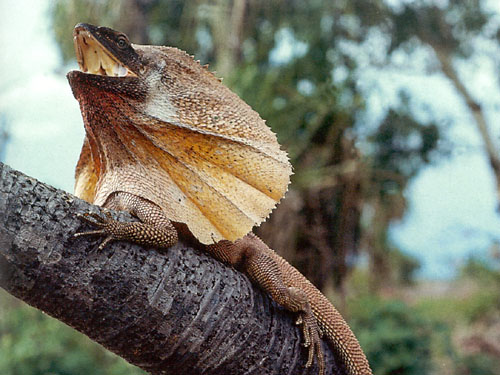
10. Frill-necked Lizard


The Frill-necked Lizard, also known as the Frilled Dragon, is so called because of the large ruff of skin which usually lies folded back against its head and neck. Long spines of cartilage support the neck frill, and when the lizard is frightened, it opens its mouth showing a bright pink or yellow lining, and the frill flares out, displaying bright orange and red scales. They often walk on four legs when on the ground. When frightened they begin to run on all fours and then accelerate onto the hind-legs. The frill of the Australian frilled dragon is used to frighten off potential predators, as well as hissing and lunging.
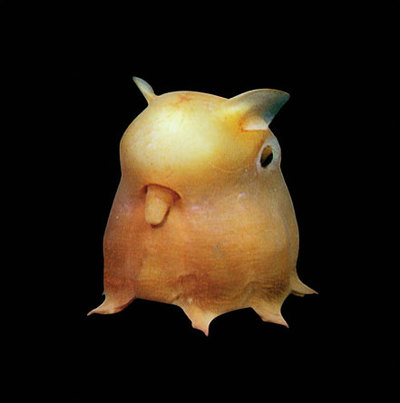
9. Dumbo Octopus

The octopuses of the genus Grimpoteuthis are also known as “Dumbo octopuses” from the ear-like fins protruding from the top of their “heads” (actually bodies), resembling the ears of Walt Disney’s flying elephant. They are benthic creatures, living at extreme depths, and are some of the rarest of the Octopoda species. They can flush the transparent layer of their skin at will, and are open ocean animals, unlike most octopi.
8. Angora Rabbit

The Angora rabbit is a variety of domestic rabbit bred for its long, soft hair. The rabbits were popular pets with French royalty in the mid 1700s, and spread to other parts of Europe by the end of the century. They are bred largely for their long wool, which may be removed by shearing or plucking (gently pulling loose wool).
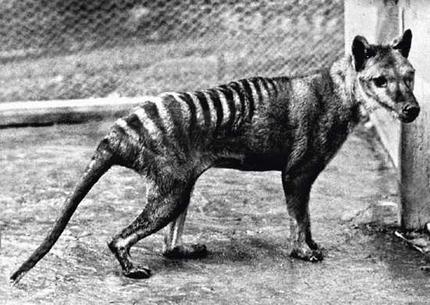
7. Tasmanian Tiger

The Thylacine was the largest known carnivorous marsupial of modern times. Native to Australia and New Guinea, it is thought to have become extinct in the 20th century. It is commonly known as the Tasmanian Tiger (due to its striped back), the Tasmanian Wolf, and colloquially the Tassie (or Tazzy) Tiger. It was the last extant member of its genus, Thylacinus, although a number of related species have been found in the fossil record dating back to the early Miocene. The Thylacine became extinct on the Australian mainland thousands of years before European settlement of the continent, but survived on the island of Tasmania along with a number of other endemic species, including the Tasmanian Devil. Intensive hunting encouraged by bounties is generally blamed for its extinction, but other contributory factors may have been disease, the introduction of dogs, and human encroachment into its habitat. Despite being officially classified as extinct, sightings are still reported.
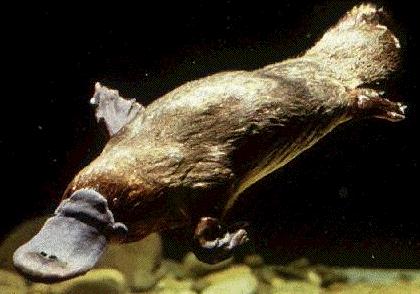
6. Platypus

The Platypus is a semi-aquatic mammal endemic to eastern Australia. Together with the four species of echidna, it is one of the five mammals that lay eggs instead of giving birth to live young. The bizarre appearance of this egg-laying, duck-billed mammal baffled naturalists when it was first discovered, with some considering it an elaborate fraud. It is one of the few venomous mammals; the male Platypus has a spur on the hind foot, which delivers a poison capable of causing severe pain to humans. The unique features of the Platypus make it an important subject in the study of evolutionary biology and a recognizable and iconic symbol of Australia; it has appeared as a mascot at national events and is featured on the reverse of the Australian 20 cent coin.
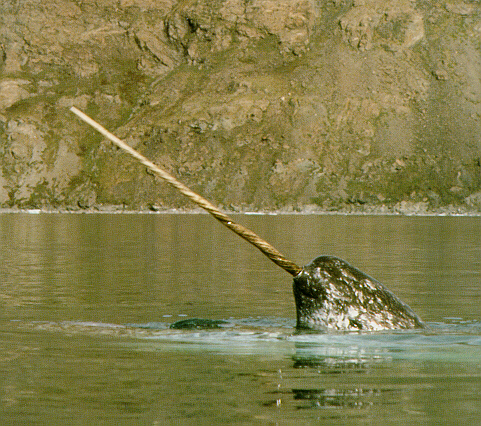
5. Narwhal

The Narwhal is an Arctic species of cetacean. It is one of two species of white whale, the other being the Beluga whale. The most conspicuous characteristic of male narwhal is their single extraordinarily long tusk, an incisor that projects from the left side of the upper jaw and forms a left-handed helix. The tusk can be up to nearly 10 feet long and weigh up to 22 pounds. About one in 500 males has two tusks, which occurs when the right tooth, normally small, also grows out. The purpose of the tusk has been the subject of much debate. Early scientific theories suggested that the tusk was used to pierce the ice covering the narwhal’s Arctic Sea habitat. Others suggested the tusk was used in echolocation. More recently, scientists believed the tusk is primarily used for showmanship and for dominance: males with larger tusks are more likely to successfully attract a mate.
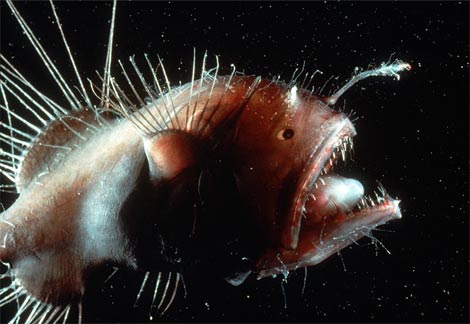
4. Anglerfish

Anglerfish are named for their characteristic mode of perdition, wherein a fleshy growth from the fish’s head (the esca) acts as a lure. Anglerfish also have spines protruding from their head, movable in all directions. The esca can be wiggled so as to resemble a prey animal, and thus to act as bait to lure other predators. Deep-sea anglerfish live mainly in the oceans’ aphotic zones, where the water is to deep for the sun to penetrate; therefore their perdition relies on the “lure” being bioluminescent. Since individuals are presumably locally rare and encounters doubly so, finding a mate is problematic. When scientists first started capturing ceratioid anglerfish, they noticed that all of the specimens were females. These individuals were a few inches in size and almost all of them had what appeared to be parasites attached to them. It turned out that these “parasites” were the remains of male ceratioids
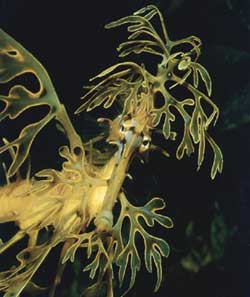
3. Leafy Sea-dragon

Named after the dragons of Chinese mythology, Leafy Sea-dragons resemble a piece of drifting seaweed as they float in the seaweed-filled water. The Leafy Sea-dragon, with green, orange and gold hues along its body, is covered with leaf-like appendages, making it remarkably camouflaged. Only the fluttering of tiny fins or the moving of an independently swiveling eye reveals its presence. Sea-dragons have no teeth or stomach and feed exclusively on mysidopsis shrimp. Known as “Australian seahorses” in Australia, they are found in calm, cold water that is approximately 50-54° Fahrenheit. The South Australian government since 1982 has protected Leafy Sea-dragons.
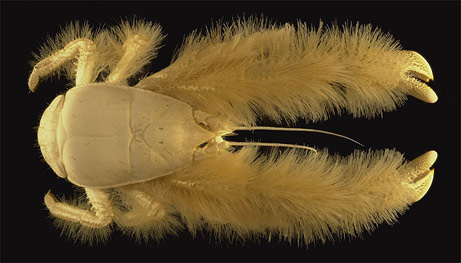
2. Yeti Crab

Kiwa hirsuta is a crustacean discovered in 2005 in the South Pacific Ocean. This decapod, 6 inches long, is notable for the quantity of silky blond setae (resembling fur) covering thoracic legs and claws. Its discoverers dubbed it the “yeti lobster” or “yeti crab”. Based on both morphology and molecular data, the species was deemed to form a new genus and family (Kiwaidae). The animal has strongly reduced eyes that lack pigment, and is thought to be blind. The ‘hairy’ pincers contain filamentous bacteria, which the creature may use to detoxify poisonous minerals from the water emitted by the hydrothermal vents where it lives. Alternatively, it may feed on the bacteria, although it is thought to be a general carnivore. Its diet also consists of green algae and small shrimp.
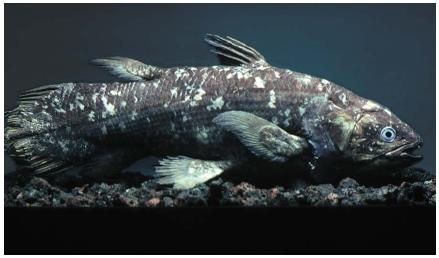
1. Coelacanth

Coelacanth is the common name for an order of fish that includes the oldest living lineage of jawed fish known to date. The coelacanths, which are related to lungfishes and tetrapods, were believed to have been extinct since the end of the Cretaceous period, until the first specimen was found off the east coast of South Africa, off the Chalumna River in 1938. Since 1938, they have been found in the Comoros, Kenya, Tanzania, Mozambique, Madagascar, among other places. Coelacanths first appear in the fossil record in the Middle Devonian, about 410 million years ago. Coelacanths are lobe-finned fish with the pectoral and anal fins on fleshy stalks supported by bones, and the tail or caudal fin diphycercal (divided into three lobes), the middle one of which also includes a continuation of the notochord.


From http://listverse.com/nature/top-10-strangest-animals/


10 Amazing Animal Facts

The animal kingdom has long been a mysterious one for humans and every day we learn something new about it. This is a list of ten little known facts about animals.
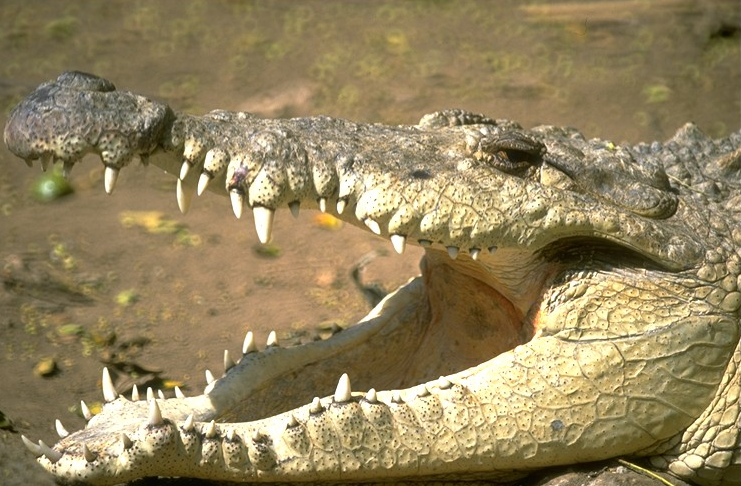
10. Crocodiles Eat Stones


The stomach of a crocodile is a rocky place to be, for more than one reason. To begin with, a croc’s digestive system encounters everything from turtles, fish and birds to giraffes, buffaloes, lions and even (when defending territory) other crocodiles. In addition to that bellyful-o’-ecosystem, rocks show up too. The reptiles swallow large stones that stay permanently in their bellies. It’s been suggested these are used for ballast in diving.


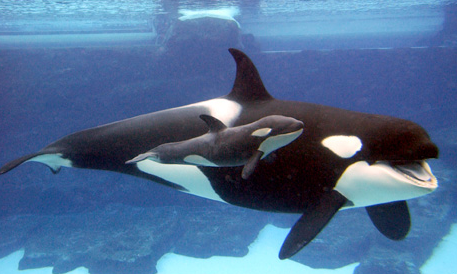
9. Whale Milk is 50% Fat


Nursing a newborn is no “small” feat for the whale, whose calf emerges, after 10 to 12 months in the womb, about a third the mother’s length (that’s a 30-foot baby for the Blue whale). The mother squirts milk into the newborn’s mouth using muscles around the mammary gland while the baby holds tight to a nipple (yes, whales have them). At nearly 50 percent fat, whale milk has around 10 times the fat content of human milk, which helps calves achieve some serious growth spurtseas much as 200 pounds per day.
8. Birds Recognize Landmarks


Can you imagine a road trip vacation without missed exits, stubborn drivers or map-folding disasters? Of course noteyou’re not a bird. Pigeons can fly thousands of miles to find the same roosting spot with no navigational difficulties. Some species of birds, like the Arctic tern, make a 25,000 mile round-trip journey every year. Many species use built-in ferromagnets to detect their orientation with respect to the Earth’s magnetic field. A November 2006 study published in Animal Behaviour suggests that pigeons also use familiar landmarks on the ground below to help find their way home
7. Beavers have Longer Days in Winter


Beavers become near shut-ins during winter, living off of previously stored food or the deposits of fat in their distinctive tails. They conserve energy by avoiding the cold outdoors, opting instead to remain in dark lodgings inside their pile of wood and mud. As a result these rodents, which normally emerge at sunset and turn in at sunrise, have no light cues to entrain their sleep cycle. The beaver’s biological sense of time shifts, and she develops a “free running circadian rhythm” of 29-hour days.
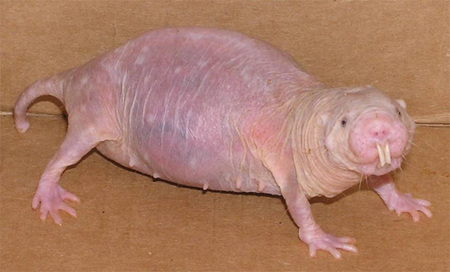
6. Mole-Rats are not Blind


With their puny eyes and underground lifestyle, African mole-rats have long been considered the Mr. Magoos of rodents, detecting little light and, it has been suggested, using their eyes more for sensing changes in air currents than for actual vision. But findings of the past few years have shown that African mole-rats have a keen, if limited, sense of sight. And they don’t like what they see, according to a report in the November 2006 Animal Behaviour. Light may suggest that a predator has broken into a tunnel, which could explain why subterranean diggers developed sight in the first place.
Just paying the bills…
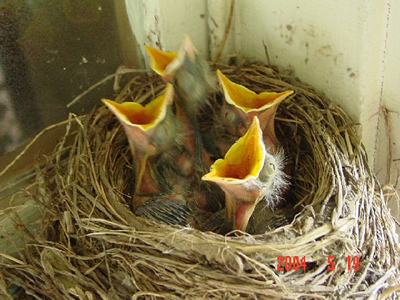
5. Baby Chicks are Altruistic


It’s a mistake to think of evolution as producing selfish animals concerned only with their own survival. Altruism abounds in cases where a helping hand will encourage the survival of genetic material similar to one’s own. Baby chicks practice this “kin selection” by making a special chirp while feeding. This call announces the food find to nearby chicks, who are probably close relations and so share many of the chick’s genes. The key to natural selection isn’t survival of the fittest animal. It’s survival of the fittest genetic material, and so brotherly behavior that favors close relations will thrive.
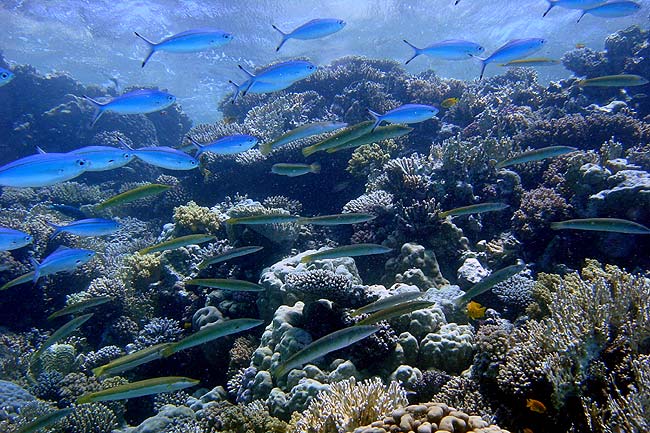
4. Many Fish Swap Sex Organs


With so many land creatures to wonder at, it’s easy to forget that some of the weirdest activities take place deep in the ocean. The strange practice of hermaphroditism is more common among species of fish than within any other group of vertebrates. Some fish change sex in response to hormonal cycle or environmental changes. Others simultaneously possess both male and female sex organs.


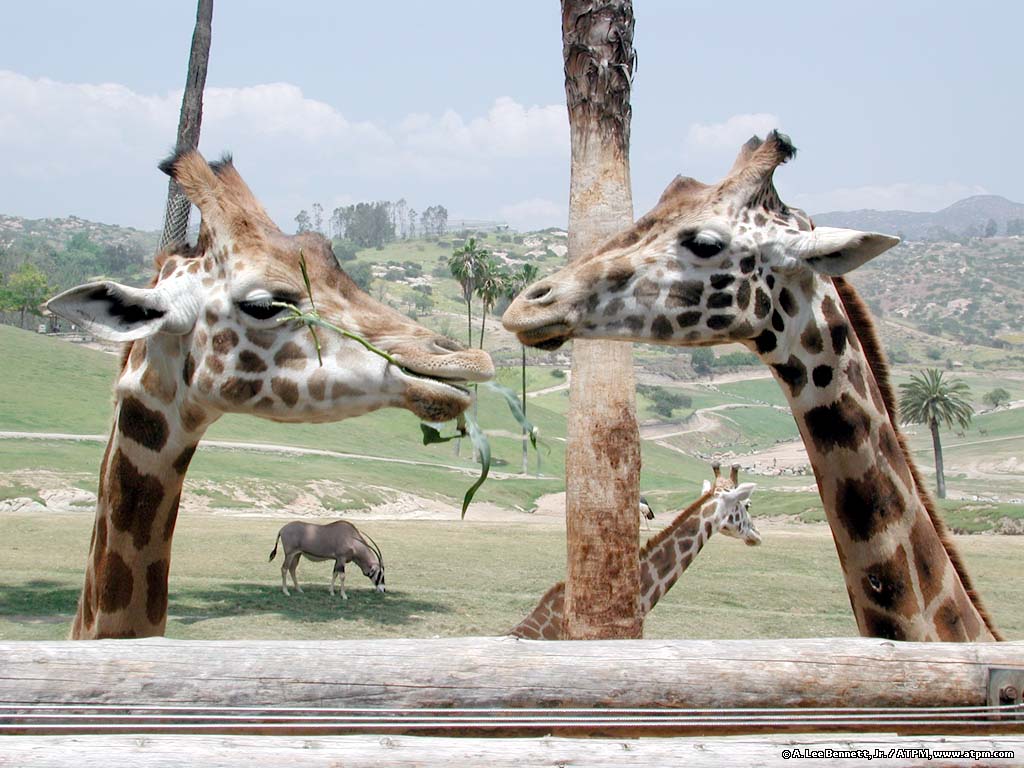
3. Giraffes have Unique Blood Flow

The stately giraffe, whose head sits some 16 feet up atop an unlikely pedestal, adapted his long neck to compete for foliage with other grazers. While the advantage of reach is obvious, some difficulties arise at such a height. The heart must pump twice as hard as a cow’s to get blood up to the brain, and a complex blood vessel system is needed to ensure that blood doesn’t rush to the head when bent over. Six feet below the heart, the skin of the legs must then be extremely tight to prevent blood from pooling at the hooves.
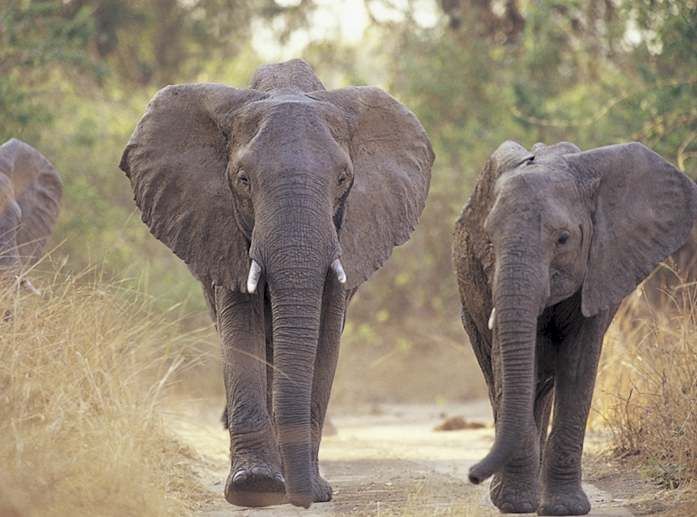
2. Elephants are Smart

Elephants have the largest brain, nearly 11 pounds on average of any mammal that ever walked the earth. Do they use that gray matter to the fullest? Intelligence is hard to quantify in humans or animals, but the encephalization quotient (EQ), a ratio of an animal’s observed brain size to the expected brain size given the animal’s mass, correlates well with an ability to navigate novel challenges and obstacles. The average elephant EQ is 1.88. (Humans range from 7.33 to 7.69, chimpanzees average 2.45, pigs 0.27.) Intelligence and memory are thought to go hand in hand, suggesting that elephant memories, while not infallible, are quite good.
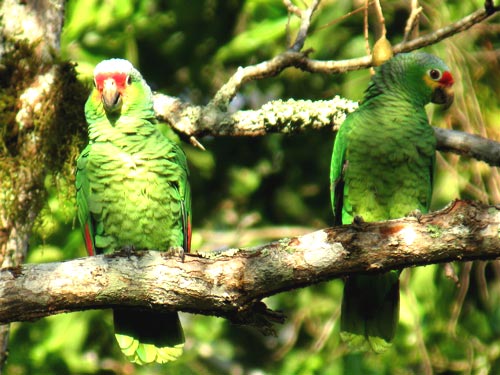
1. Parrots Understand

Parrot speech is commonly regarded as the brainless squawking of a feathered voice recorder. But studies over the past 30 years continually show that parrots engage in much more than mere mimicry. Our avian friends can solve certain linguistic processing tasks as deftly as 4-6 year-old children. Parrots appear to grasp concepts like “same” and “different”, “bigger” and “smaller”, “none” and numbers. Perhaps most interestingly, they can combine labels and phrases in novel ways. A January 2007 study in Language Sciences suggests using patterns of parrot speech learning to develop artificial speech skills in robots.
Source:
http://listverse.com/nature/10-amazing-animal-facts/

Top 10 Deadliest Natural Disasters

The earth’s weather is very mysterious. One day it is sunny the next it is raining. In fact, sometimes as you are driving down the road, you hit the “wall” between a sunny day and a sever thunderstorm. Man has spent years trying to predict weather patterns but it is still an inexact science. This is a list of the most common occurring disasters of nature:
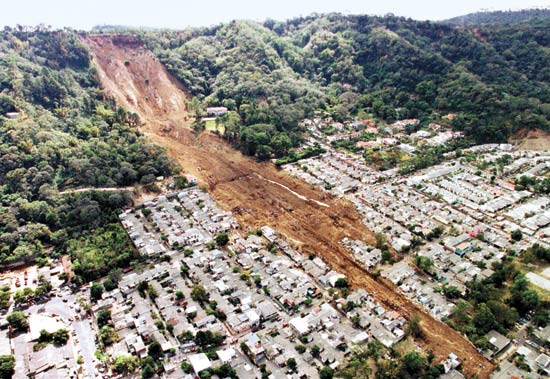
10. Landslide

A landslide is a disaster involving elements of the ground, including rocks, trees, parts of houses, and anything else which may happen to be swept up. Landslides can be caused by an earthquake, volcanic eruptions, or general instability in the surrounding land. Mudslides or mudflows, are a special case of landslides, in which heavy rainfall causes loose soil on steep terrain to collapse and slide downwards.
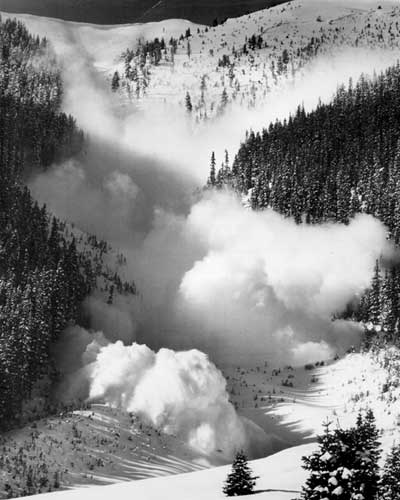
9. Avalanche


An avalanche is a geophysical hazard involving a slide of a large snow or rock mass down a mountainside, caused when a buildup of material is released down a slope, it is one of the major dangers faced in the mountains in winter. As avalanches move down the slope they may entrain snow from the snowpack and grow in size. The snow may also mix with the air and form a powder cloud. An avalanche with a powder cloud is known as a powder snow avalanche. The powder cloud is a turbulent suspension of snow particles that flows as a gravity current.
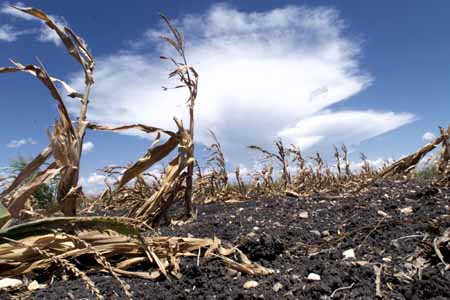
8. Drought


A drought is an extended period of months or years when a region suffers a severe deficiency in its water supply. Generally, this occurs when a region receives consistently below average rainfall. It can have a substantial impact on the ecosystem and agriculture of the affected region. Although droughts can persist for several years, even a short, intense drought can cause significant damage and harm the local economy.
7. Wildf
ire

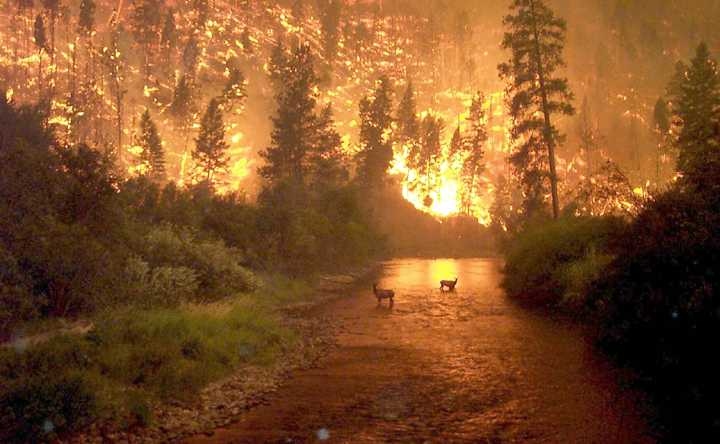
Wildfires, or forest fires, are uncontrolled fires burning in wildland areas. Common causes include lightning, human carelessness, arson, volcano eruption, and pyroclastic cloud from active volcano. The can be a threat to those in rural areas and also to wildlife. Wildfires can also produce ember attacks, where floating embers set fire to buildings at a distance from the fire itself.
6. Flood


A flood is an overflow of an expanse of water that submerges land, a deluge. It is usually due to the volume of water within a body of water, such as a river or lake, exceeding the total capacity of the body, and as a result some of the water flows or sits outside of the normal perimeter of the body. It can also occur in rivers, when the strength of the river is so high it flows right out of the river channel , usually at corners or meanders.
Just paying the bills…
5. Tsunami

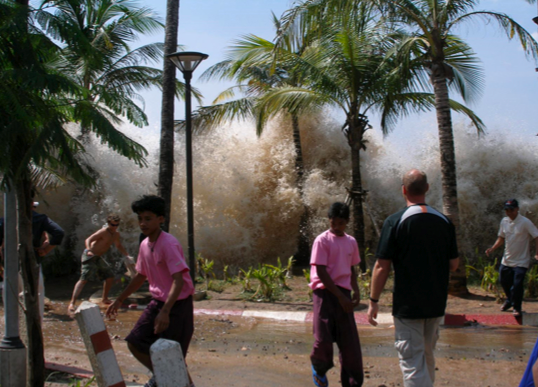
A tsunami is a series of waves created when a body of water, such as an ocean, is rapidly displaced. Earthquakes, mass movements above or below water, volcanic eruptions and other underwater explosions, landslides, large meteorite impacts comet impacts and testing with nuclear weapons at sea all have the potential to generate a tsunami. A tsunami is not the same thing as a tidal wave, which will generally have a far less damaging effect than a Tsunami.
4. Volcanic eruption

A volcanic eruption is the point in which a volcano is active and releases lava and poisonous gasses in to the air. They range from daily small eruptions to extremely infrequent supervolcano eruptions (where the volcano expels at least 1,000 cubic kilometers of material.) Some eruptions form pyroclastic flows, which are high-temperature clouds of ash and steam that can travel down mountainsides at speeds exceeding that of an airliner.
3. Tornado


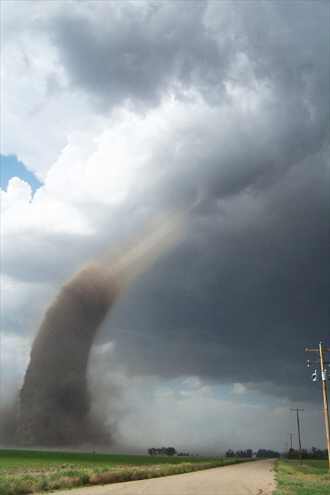
Tornadoes are violent, rotating columns of air which can blow at speeds between 50 and 300 mph, and possibly higher. Tornadoes can occur one at a time, or can occur in large tornado outbreaks along squall lines or in other large areas of thunderstorm development. Waterspouts are tornadoes occurring over water in light rain conditions.
2. Earthquake


An earthquake is the result of a sudden release of energy in the Earth’s crust that creates seismic waves. Earthquakes are recorded with a seismometer, also known as a seismograph. The magnitude of an earthquake is conventionally reported on the Richter scale, with magnitude 3 or lower earthquakes being mostly imperceptible and magnitude 7 causing serious damage over large areas. Intensity of shaking is measured on the modified Mercalli scale. At the Earth’s surface, earthquakes manifest themselves by shaking and sometimes displacement of the ground.
1. Hurricane

Hurricanes, tropical cyclones, and typhoons are different names for the same phenomenon: a cyclonic storm system that forms over the oceans. It is caused by evaporated water that comes off of the ocean and becomes a storm. The Coriolis Effect causes the storms to spin, and a hurricane is declared when this spinning mass of storms attains a wind speed greater than 74 mph. Hurricane is used for these phenomena in the Atlantic and eastern Pacific Oceans, tropical cyclone in the Indian, and typhoon in the western Pacific.

Top 10 Greatest Inventions

This is one of those subjective lists that many people will agree with and many will not. I have chosen what I think are the greatest modern inventions and listed them from least to most important. Feel free to use the comments to add to the list or to debate my choices.
10. Modern Plumbing

The ability to remove sewage from and bring clean water into places of dense human habitation makes the modern city possible. Without it, we’d still have cities, but not like the ones we know. A high-rise building would be impossible, really, without toilets and plumbing. Remove apartment buildings, office towers, and dense downtown cores from your picture of the world and you have to change the whole rest of your picture too, because the implications keep rippling.
9. Printing Press

The printing press was the first one of many communication mediums, changing how information was collected, stored, retrieved, criticized, discovered, and promoted. It has been implicated in the Reformation, the Renaissance and the Scientific Revolution. Johannes Gutenberg is credited with inventing the first printing press in the Western civilizations of Europe. Screw presses for olives and wine had been known in Europe since Roman times; presses for the binding of manuscript books were also in use. Gutenberg was the first to convert the concept for printing uses. Gutenberg’s use of mechanical presses along with other innovations made printing a proto-industrial process with a far greater output compared to manuscripts made by copyists.
8. Automobile


In 1769, the very first self-propelled road vehicle was invented by French mechanic, Nicolas Joseph Cugnot. However, it was a steam-powered model. In 1885, Karl Benz designed and built the world’s first practical automobile to be powered by an internal-combustion engine. In 1885, Gottlieb Daimler took the internal combustion engine a step further and patented what is generally recognized as the prototype of the modern gas engine and later built the world’s first four-wheeled motor vehicle.
7. Pesticides


Since before 2500 BC, humans have used pesticides to prevent damage to their crops. The first known pesticide was elemental sulfur dusting used in Sumeria about 4,500 years ago. By the 15th century, toxic chemicals such as arsenic, mercury and lead were being applied to crops to kill pests. In 1939, Paul Müller discovered that DDT was a very effective insecticide. It quickly became the most widely-used pesticide in the world. However, in the 1960s, it was discovered that DDT was preventing many fish-eating birds from reproducing which was a huge threat to biodiversity. Pesticide use has increased 50-fold since 1950, and 2.5 million tons of industrial pesticides are now used each year.
6. Steam Engine

Thomas Savery was an English military engineer and inventor who in 1698, patented the first crude steam engine. Thomas Newcomen invented the atmospheric steam engine in 1712. James Watt’s incarnation of the steam engine ushered in the Industrial Revolution. His centrifugal governor kept the engine running at the desired rate, and is a modification so simple and elegant that it may be one of the best ideas of all time.
Just paying the bills…
5. Computers


In 1837, Charles Babbage was the first to conceptualize and design a fully programmable mechanical computer that he called “The Analytical Engine”. Due to limited finance, and an inability to resist tinkering with the design, Babbage never actually built his Analytical Engine. Large-scale automated data processing of punched cards was performed for the U.S. Census in 1890 by tabulating machines designed by Herman Hollerith and manufactured by the Computing Tabulating Recording Corporation, which later became IBM.
4. Transistors

The transistor is the fundamental building block of the circuitry that governs the operation of computers, cellular phones, and all other modern electronics. On 16 December 1947 William Shockley, John Bardeen and Walter Brattain succeeded in building the first practical point-contact transistor at Bell Labs. This work followed from their war-time efforts to produce extremely pure germanium “crystal” mixer diodes, used in radar units as a frequency mixer element in microwave radar receivers.
3. Plastic


Plastic is composed of organic condensation or addition polymers and may contain other substances to improve performance or economics. There are few natural polymers generally considered to be “plastics”. The first plastic based on a synthetic polymer was made from phenol and formaldehyde, with the first viable and cheap synthesis methods invented by Leo Hendrik Baekeland in 1909, the product being known as Bakelite. Subsequently poly(vinyl chloride), polystyrene, polyethylene (polyethene), polypropylene (polypropene), polyamides (nylons), polyesters, acrylics, silicones, polyurethanes were amongst the many varieties of plastics developed and have great commercial success.
2. Harnessed Electricity

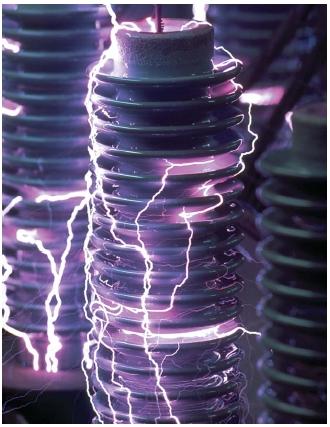
Electricity existed all along, but the system of devices needed to generate this force and distribute it to individual buildings was an invention, launched initially by Edison: He effectively turned electricity into a salable commodity and his Pearl Street station was the world’s first electric power station. Nikola Tesla’s invention of alternating current (AC) technology then made it possible to transmit electricity over long distances, leading to the nationwide grid we know today. Now, anyone in the West and throughout most of the world can tap into the grid to power everything from light bulbs to computers.
1. Immunization / Antibiotics


Three centuries ago, almost everyone died of infectious diseases. When the plague broke out in 1347, it killed nearly half of Europe–in about two years. When diseases such as smallpox reached North America, they reduced the indigenous population by about 90 percent within a century. As late as 1800, the leading cause of death in the West was tuberculosis. Hardly anyone died of old age back then, one reason why elders were revered. Today, elders are a dime a dozen: nothing unusual about surviving past 70. In the United States, 73 percent of people die of heart failure, cancer, and stroke.

Top 10 Amazing Earth Facts

As well known and well traveled as our planet is, there are still new things being discovered every day. In fact, most of our oceans haven’t even been explored yet which is why when new depths are located; they often come with hundreds of new species. Rain forests offer up new animals and plants as often as we can explore them. The Earth is constantly changing, shifting, and exposing new secrets for humans to marvel at. It took many years and many great minds to solve the problem of getting through Earth’s atmosphere into the wide expanse of space beyond. Here are ten amazing facts about our home that you may not be aware of.
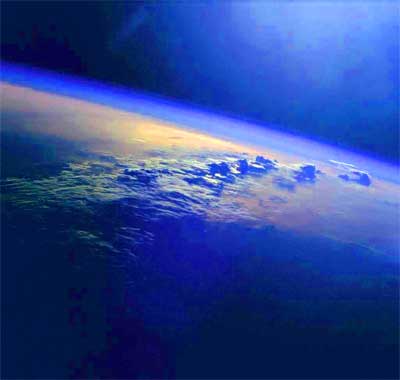
10. The Atmosphere


Many layers of atmosphere coat our planet including the mesosphere, ionosphere, exosphere, and the thermosphere, but it’s the troposphere, closest to the planet itself, that supports our lives and is, in fact, the thinnest at only about 10 miles high.
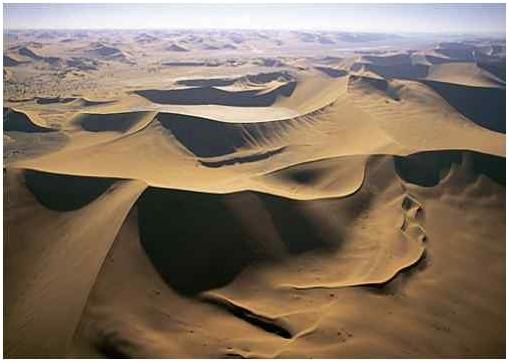
9. Deserts


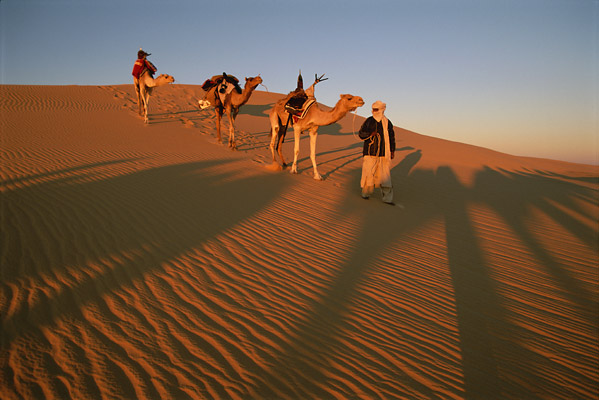
Believe it or not, most of the Earth’s deserts are not composed entirely of sand. Much, about 85% of them, are rocks and gravel. The largest, the Sahara, fills about 1/3 of Africa (and it is growing constantly) which would nearly fill the continental United States.
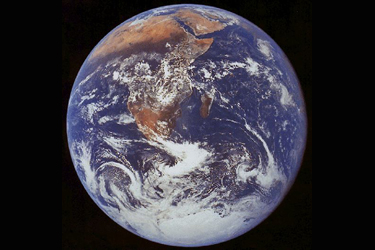
8. The Big Blue Marble


The Earth is, in fact, not really round. It is called an oblate spheroid meaning it’s slightly flattened on the top and bottom poles.
7. Salty Oceans


If you could evaporate all the water out of all the oceans and spread the resulting salt over all the land on Earth, you would have a five hundred-foot layer coating everything.
6. Lakes and Seas


The largest inland sea (or, sometimes called a lake) is the Caspian Sea which is on the border of Iran and Russia.

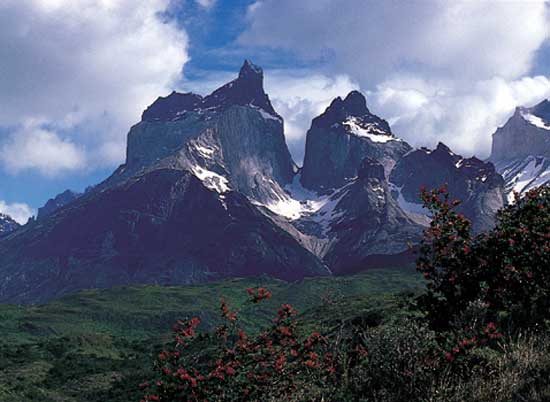
5. Mountains

The Andes Mountain range in South America is 4,525 miles long and ranks, as the world’s longest. Second Longest: The Rockies; Third: Himalayas; Fourth: The Great Dividing Range in Australia; Fifth: Trans-Antarctic Mountains. For every 980 feet you climb up a mountain, the temperature drops 3-1/2 degrees.
4. Deep Water

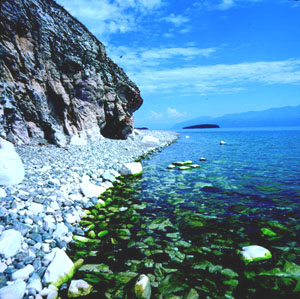
The deepest lake in the world is in the former USSR and it is Lake Baikal. It has a length of 400 miles, a width of roughly 30, but its depth is just over a mile: 5,371 feet down. It is deep enough, so is speculated, that all five of the next largest lakes: The Great Lakes could be emptied into it.
3. Shaky Ground

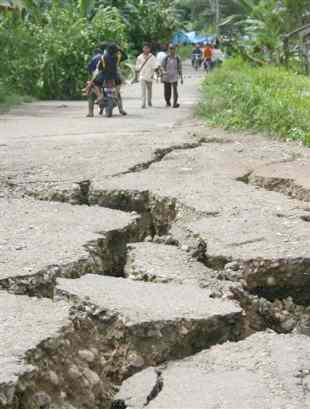
Earthquakes can be catastrophically destructive and many a year are deadly. However, the Earth releases about 1 million a year, almost all are never even registered.
2. Hot, Hot, Hot

Most people believe that Death Valley, California, U.S.A. is the hottest place on Earth. Well, occasionally it is, but the hottest recorded temperature was from Azizia in Libya recording a temperature of 136 degrees Fahrenheit (57.8 Celsius) on Sept. 13, 1922. In Death Valley, it got up to 134 Fahrenheit on July 10, 1913.
1. Dust in the Wind

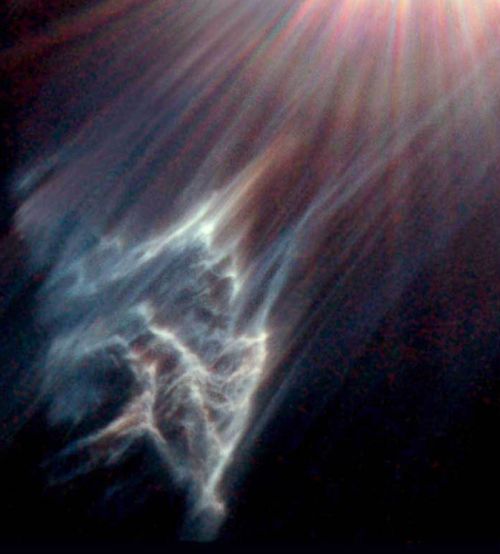
Experts from the USGS claim that roughly 1,000 tons of space debris rains down on Earth every year.

Tuesday, 25 November 2008

About me

Hello I am a new writer name Pitirat Panpruang
I am 13 years old
I live in Bangkok Thailand
I study at St. Gabriel's college in secondary 2
I like to study English and history at school